



From Surveillance Cameras to Predictive Security Systems: How Smart Monitoring is Changing the Concept of Safety in Egypt in 2026
Introduction: Smart Surveillance Systems in Egypt and Their Evolution
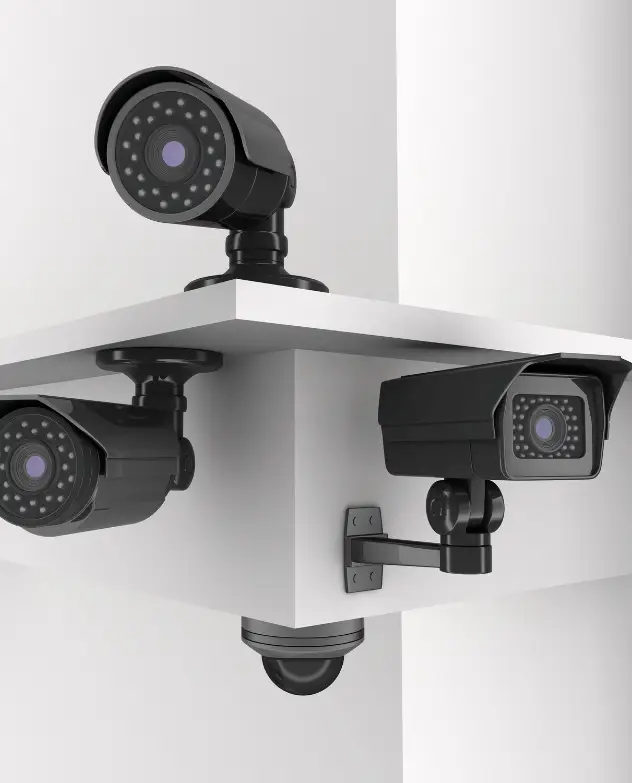
Smart surveillance systems in Egypt have witnessed remarkable development in recent years. While cameras were previously limited to vital installations and banks, they have now become an integral part of security for homes, retail stores, and even streets. This evolution is not only about wider coverage but also about technological advancement. By 2026, surveillance cameras are no longer just tools for recording events—they have evolved into intelligent systems capable of analyzing data and predicting risks before they occur, opening new horizons for the concept of safety in Egyptian society.
Smart Surveillance Systems in Egypt: How Predictive Systems Work
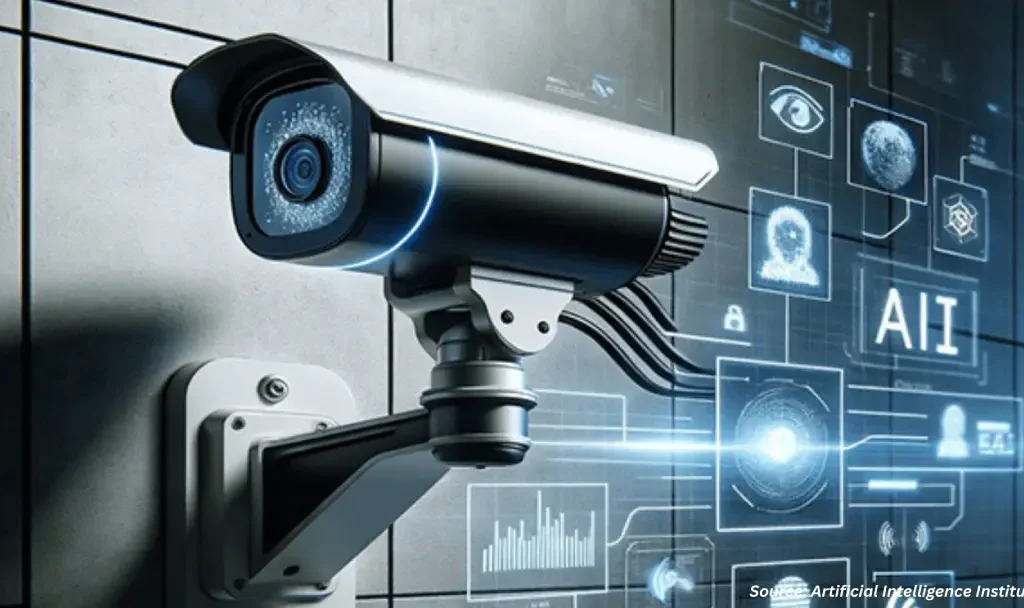
Predictive surveillance systems represent the next generation of security systems. They do not merely record video but use artificial intelligence (AI) to analyze real-time visual data. These systems operate through advanced algorithms that learn normal behavioral patterns within a specific environment. When they detect deviations from these patterns, they trigger immediate alerts.
For example, the system can differentiate between normal pedestrian movement and someone loitering suspiciously in front of a store for hours, or detect a vehicle moving unusually slowly in a residential area. This proactive analysis enables intervention before a crime occurs, shifting the role of surveillance from reactive to preventive.Learn more
The Role of AI in Behavior Analysis and Risk Detection
The true power of smart surveillance systems lies in their ability to analyze behavior accurately. Unlike traditional cameras, which rely on motion detection—often generating thousands of false alarms due to moving trees or animals—AI systems can distinguish between humans, vehicles, and other objects. Key capabilities include:
- Behavior Analysis: Monitoring specific patterns such as loitering, unusual gatherings, or even someone suddenly falling.
- Object Recognition: Identifying particular objects, such as unattended bags in public spaces.
- Facial Recognition: Matching faces against pre-defined databases to help identify wanted individuals.
- Anomaly Detection: Detecting any unusual behavior or event in a given environment, such as a car driving the wrong way.
Applications of Smart Surveillance in Egypt: Homes, Businesses, and Factories
Smart surveillance applications are diverse and cater to various sectors in Egypt:
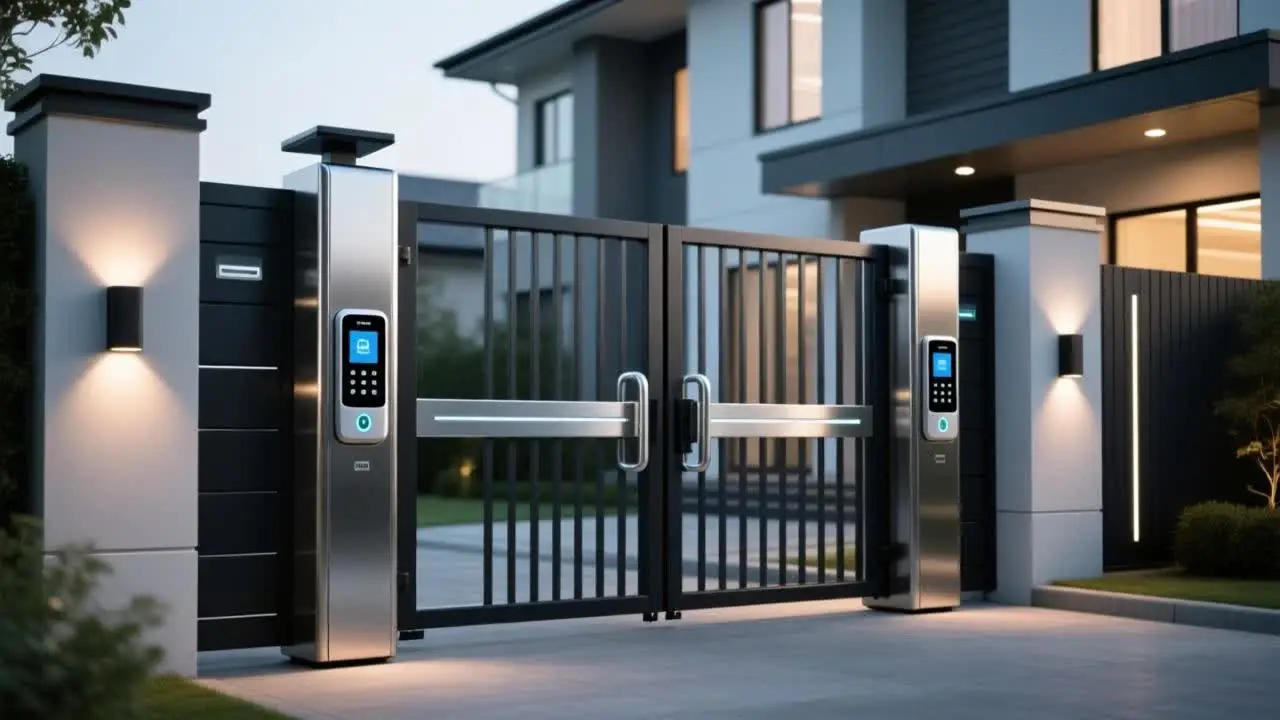
- Securing Villas and Homes: The system can protect the villa’s perimeter by detecting attempts to climb fences or approach entrances at unusual times, while ignoring pets or family members.
- Malls and Retail Stores: Intelligent analytics can monitor customer behavior, detect shoplifting attempts, optimize store traffic flow, and manage queues.
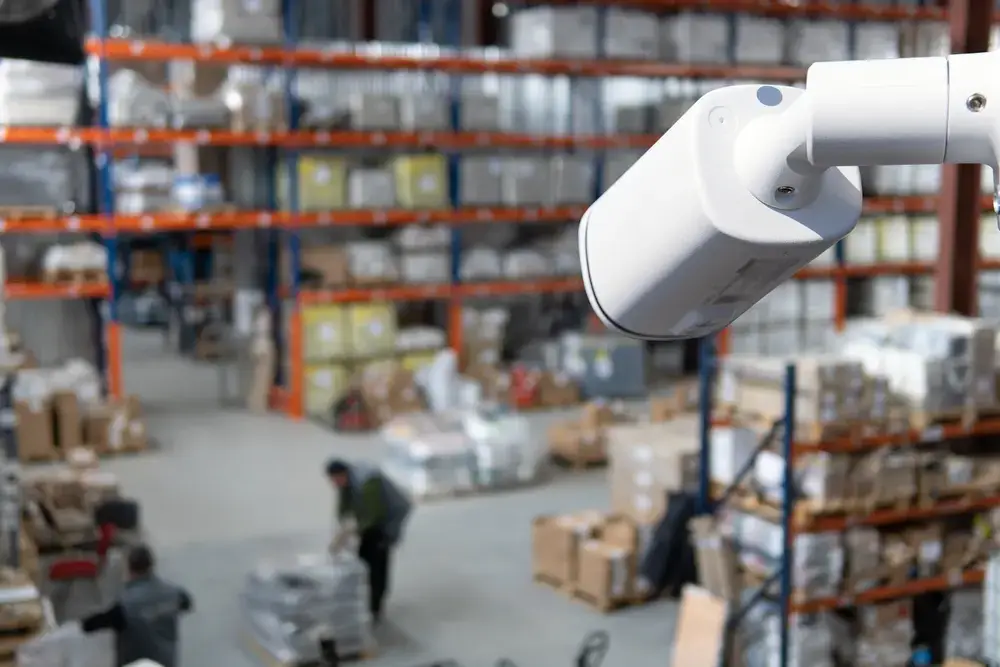
- Factories and Warehouses: Systems can enforce safety compliance, such as wearing helmets in restricted areas, monitor unauthorized access to sensitive storage areas, and secure goods from theft or damage.
Difference Between Traditional and Smart Cameras in 2026
| Feature | Traditional Cameras | Smart Cameras (2026) |
|---|---|---|
| Core Function | Video Recording | Video Analysis & Risk Prediction |
| Alarms | Motion Detection (Low Accuracy) | Behavior Analysis (High Accuracy) |
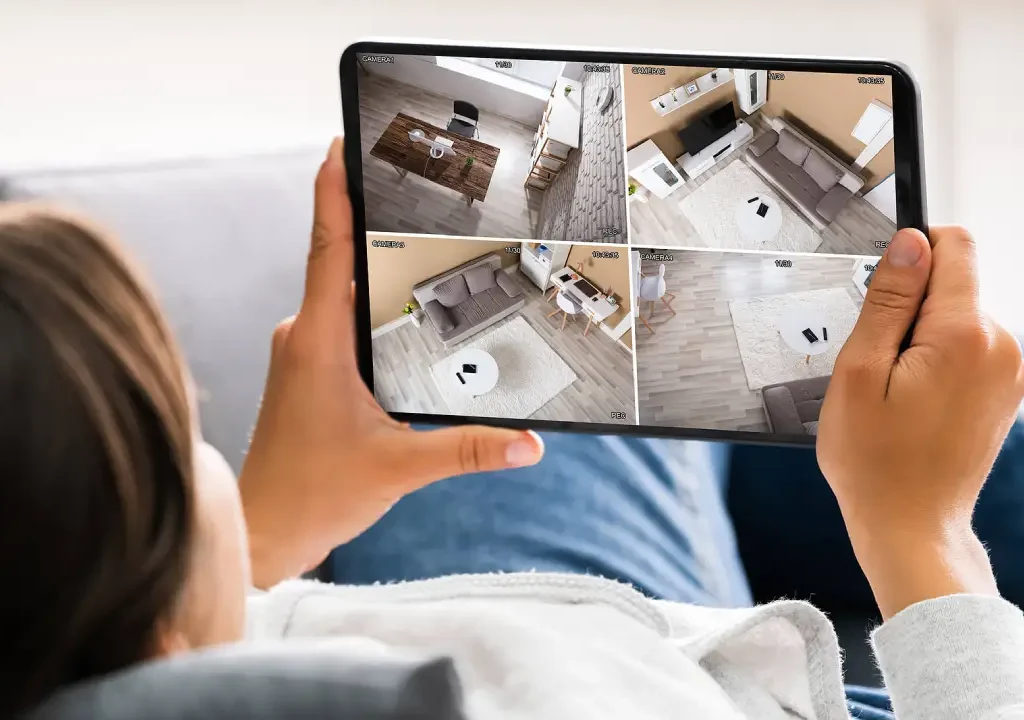
| Searching Footage | Manual review for hours | Instant search for specific people or events |
| Response | After the event (Reactive) | Before or during the event (Proactive) |
| Added Value | Security only | Security + Operational Insights (Data Analytics) |
Privacy and Legal Challenges in Egypt
As surveillance systems grow more sophisticated, legal and ethical challenges regarding privacy emerge. In Egypt, there is not yet a comprehensive law regulating camera usage, but general guidelines include:
- Respecting Private Spaces: Cameras should not be installed in areas like changing rooms or bathrooms.
- Avoiding Neighbor Privacy Violations: Cameras must only cover private property without infringing on neighbors’ privacy.
- Visible Warning Signs: Clear signage is required to inform the public of surveillance in commercial or public spaces.
Future legislation, including the Personal Data Protection Law, is expected to regulate the collection, storage, and processing of visual data.
Practical Tips for Choosing the Right Surveillance System in Egypt
- Identify Your Needs First: Do you need indoor or outdoor monitoring? What are the main risks?
- Choose the Right Resolution: HD (1080p) cameras may suffice for small areas, while larger areas or detailed monitoring may require 2K or 4K cameras.
- Don’t Overlook Night Vision: Ensure cameras provide clear infrared (IR) night vision at the distances you require.
- Consider Storage Options: Decide between local storage (DVR/NVR) or cloud storage. Cloud offers greater security but may require a monthly subscription.
- Look for Smart Features: Choose cameras with the intelligent analytics you need, like human and vehicle detection, to avoid false alarms.
- Consult a Professional: Seek advice from specialized security companies to design a comprehensive system that fits your needs and budget.

The Role of Specialized Companies in Providing Integrated Security Solutions
Specialized security companies play a vital role in helping clients maximize smart surveillance technology. Their services go beyond selling cameras—they offer end-to-end solutions including design, installation, programming, and maintenance. These companies possess the expertise to assess risks, design systems covering all critical points, ensure compatibility between components, and provide technical support to maintain optimal performance.
Conclusion: The Future of Smart Security in Egypt Post-2026
The shift toward smart surveillance is not just a technological luxury—it is a security necessity driven by modern challenges. With continued AI advancements and declining costs for smart cameras, these systems are expected to become the standard in Egypt after 2026. This evolution will not only enhance safety by preventing crime but also provide valuable data to improve city management and operational efficiency, shaping a smarter and safer future for everyone.