

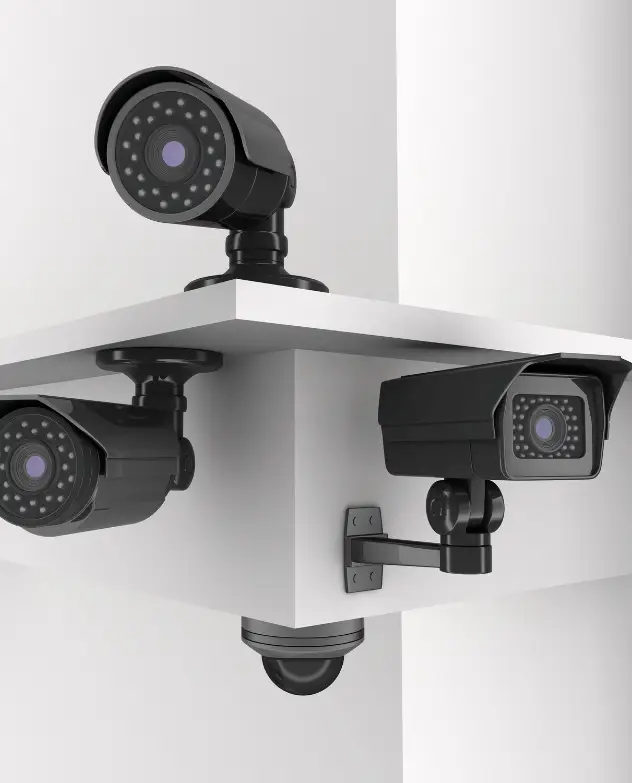



Predictive Surveillance Cameras in 2026: How AI Predicts Risks Before They Happen
Introduction
In a world of accelerating technological advancement, surveillance systems are no longer just tools for recording past events. Instead, they have become a proactive shield that predicts the future. As we enter 2026, we are witnessing a new dawn in security with the emergence of predictive surveillance cameras. This is a revolutionary technology that relies on artificial intelligence to analyze behaviors and anticipate potential risks before they materialize into actual incidents. Consequently, this fundamental shift moves us from passive monitoring to active defense. Here, intelligent systems act as strategic partners for security teams, enhancing the protection of people and property with unprecedented efficiency. The question is no longer “What happened?” but rather “What is about to happen?” and how can we prevent it.
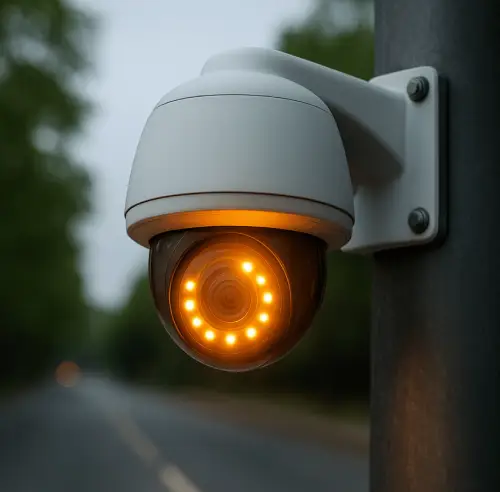
Alt Text: Predictive surveillance cameras powered by artificial intelligence
What Are AI-Powered Predictive Surveillance Cameras?
Predictive surveillance cameras represent an advanced generation of security systems. They use artificial intelligence (AI) and machine learning algorithms to analyze visual data in real-time and identify patterns that may indicate an imminent threat. In contrast to traditional AI cameras that focus on tasks like facial recognition or license plate reading, predictive systems go much further.
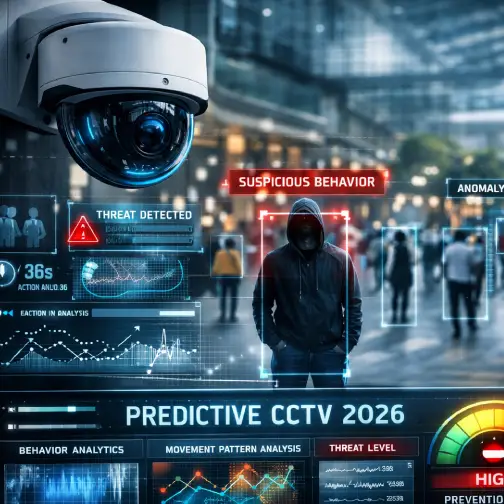
The key difference is that traditional cameras react after an event occurs, such as sending an alert when a person enters a restricted area. Predictive surveillance cameras, on the other hand, analyze a person’s behavior before they enter. For example, they detect suspicious hesitation or loitering near the area and issue a proactive warning that this behavior could lead to an intrusion attempt. In other words, they transition from “event detection” to “intent prediction,” giving security teams a valuable opportunity to intervene before any damage is done.
How Do Smart Surveillance Cameras Predict Risks?
This sophisticated technology relies on analyzing a massive amount of visual data to distinguish normal behavior from suspicious activities. This is accomplished through several integrated mechanisms that work together to provide future-proof security insights.
Analyzing Motion and Behavior Patterns
Intelligent algorithms study the usual movement patterns of people and vehicles in a specific environment, such as walking speed, common paths, and peak times. Over time, the camera builds an “understanding” of what constitutes normal behavior in that location. Therefore, any significant deviation from this pattern, like a person running late at night in a quiet area, is flagged as a potential risk indicator.
Detecting Abnormal Actions
AI systems are trained to recognize body language and gestures that often precede hostile or criminal acts. The system can identify behaviors such as peeking, sudden gatherings of individuals, leaving a bag or strange object unattended, or even violent movements that might indicate an impending fight. This detailed behavioral analysis allows the system to distinguish between a tourist taking pictures and an intruder planning a theft.
Alt Text: Behavior analysis using AI surveillance cameras
Reducing False Alarms with Artificial Intelligence
One of the biggest challenges with traditional surveillance systems is the high number of false alarms caused by animal movements, changing weather conditions, or even shadows. Predictive surveillance cameras can reduce these false alarms by up to 90%. They accurately differentiate between a cat’s movement and a person trying to climb a fence. As a result, this ensures that security teams focus their efforts only on real threats, thereby significantly improving response efficiency.
Applications of Predictive Surveillance in the Market
With the growing need for advanced security solutions, the importance of predictive surveillance cameras is becoming evident across many vital sectors, contributing to a safer and more stable environment.
Securing Companies and Factories
In industrial and commercial facilities, these systems can anticipate theft or sabotage attempts by monitoring sensitive areas and warehouses. Furthermore, they help enhance occupational safety by detecting risky behaviors among workers, such as not wearing protective gear or entering unauthorized operational zones, thus preventing accidents before they happen. You can explore the latest surveillance camera offers suitable for your facility.
Protecting Malls and Commercial Centers
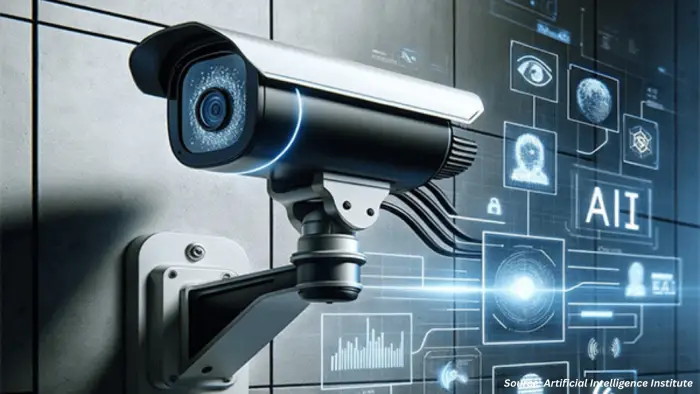
Predictive systems can analyze crowd flow in shopping centers and detect any unusual gatherings that might signal potential chaos or riots. They can also identify individuals exhibiting suspicious behavior, such as repeatedly observing stores without entering, which helps security teams intervene early and prevent theft.
Alt Text: Smart CCTV camera systems for businesses and malls
Enhancing Security in Residential Compounds
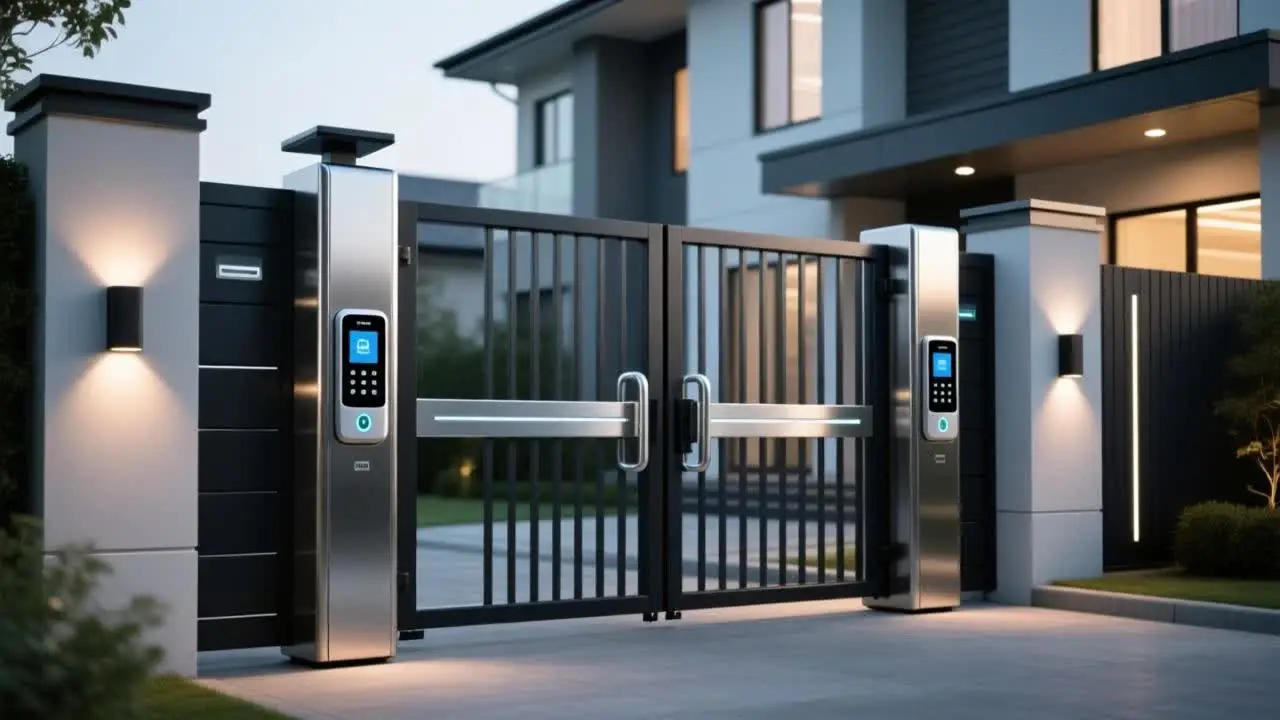
In residential compounds, predictive surveillance cameras provide an additional layer of security by monitoring fences and entrances. They can predict intrusion attempts and alert the control room before an intruder even gets close to residential units, giving residents a greater sense of peace and comfort.
Benefits of Predictive Surveillance Cameras in 2026
Predictive surveillance cameras offer a wide range of advantages that make them a strategic investment for any organization seeking to enhance its security and protect its assets.
Preventing incidents before they occur is the most significant benefit of this technology. Instead of merely recording a crime or incident after it has happened, the ability to intervene proactively prevents the damage in the first place. This means effectively protecting lives and property and avoiding the legal and psychological consequences of security incidents.
Reducing costs and losses is a direct result of preventing theft and vandalism. Companies that invest in these systems see a noticeable decrease in direct material losses. Moreover, reducing false alarms by up to 90% saves significant operational costs, as security teams do not have to respond to unnecessary alerts, which improves the efficiency of human resources.
Supporting security team decisions is achieved by providing accurate data and objective analysis in real-time. Rather than relying on intuition or estimates, security personnel can make informed and swift decisions based on reliable information, increasing response effectiveness and reducing the likelihood of errors.
Improving emergency response speed is a vital advantage in critical situations. Instant and early alerts give security and response teams enough time to reach the location before the situation escalates, which can save lives and prevent events from worsening. In emergencies like fires or break-ins, every second counts, and these systems provide those precious seconds.
Legal and Privacy Challenges of Smart Surveillance
Despite the enormous benefits, the use of predictive surveillance cameras raises significant challenges related to privacy and data protection, which require a clear legal and ethical framework.
Data Protection
These systems collect vast amounts of personal data, necessitating the implementation of the highest standards of encryption and cybersecurity to protect it from breaches or unauthorized use. There must be clear policies that define who can access this data and how it is used.
Individual Privacy
Continuous behavioral analysis raises concerns about violating individual privacy in public and private spaces. It is essential to strike a delicate balance between security requirements and the right to privacy by placing strict controls on camera placement and monitoring scope.
Compliance with Local Laws
Organizations using this technology must fully comply with local laws regarding data protection and surveillance. This requires transparency with the public about how their data is used and ensuring that it does not exceed the specified security purposes.
Alt Text: The future of smart surveillance cameras in 2026
Conclusion
In 2026, predictive surveillance cameras represent a paradigm shift in the concept of security, transforming it from a reaction to a proactive action. Thanks to their ability to analyze behaviors and predict risks, this technology has become a cornerstone in protecting our institutions and communities. Although there are privacy challenges, the responsible and ethical use of these systems ensures that we can leverage their immense potential to build a safer and smarter future. The time has come to embrace the future of security. Discover our special offers on predictive surveillance cameras and protect your organization today.