



Cloud Surveillance Cameras in 2026: Why They’ve Become the Top Choice for Businesses and Homes
Introduction
In an era that demands flexibility and instant access to information, traditional surveillance systems based on DVR/NVR recorders are no longer sufficient. Therefore, 2026 is witnessing a radical shift towards smarter and more secure solutions. This is where Cloud Surveillance Cameras emerge as a driving force in the world of security, offering a modern solution that meets the needs of both businesses and homes. Instead of storing footage on a local device vulnerable to damage or theft, these systems upload everything to secure cloud servers. Consequently, you can now monitor your property from anywhere in the world with the push of a button, providing unparalleled peace of mind
What Are Cloud Surveillance Cameras?
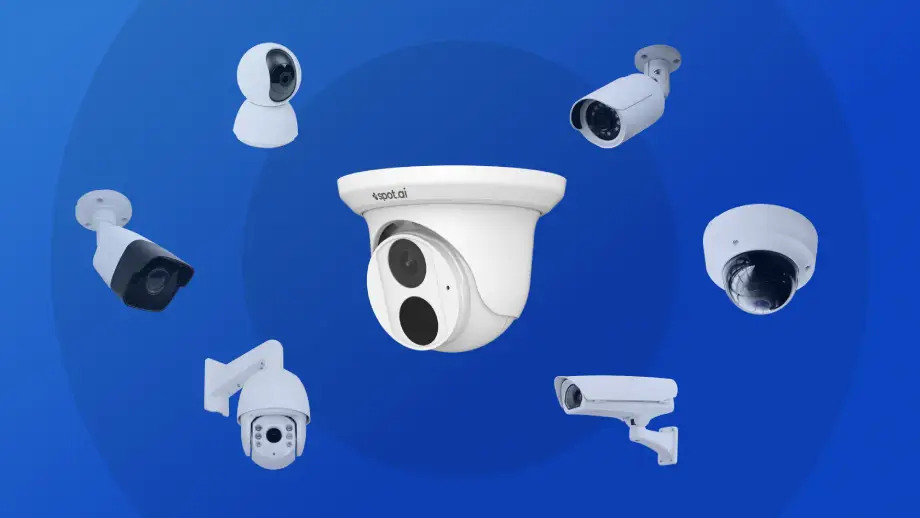
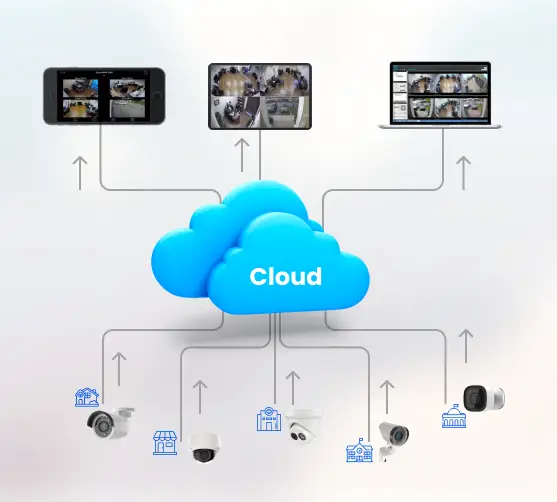
Simply put, Cloud Surveillance Cameras are IP (Internet Protocol) cameras that record video and send it directly to a remote server via the internet, rather than storing it on a local recording device. This data is stored in secure, third-party-owned data centers that provide storage and access services for a monthly or annual subscription. Furthermore, you can access live streams or past recordings at any time and from any internet-connected device, whether it’s a smartphone, tablet, or computer.
Features of Cloud Surveillance Cameras in 2026
Cloud surveillance goes beyond simple remote storage, offering an integrated ecosystem of benefits that have made it the preferred choice in 2026. These advantages not only enhance security but also improve operational efficiency and peace of mind.
Instant Access to Cloud Surveillance Cameras from Anywhere
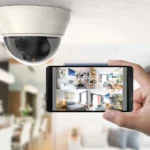
This feature is by far the most significant in the digital age. Whether you’re on vacation abroad or managing multiple business branches, you can monitor everything directly from an app on your phone. For example, you can check on your home’s security with a single tap or monitor employee performance in an Alexandria branch from your office in Cairo. Additionally, this feature allows you to confirm the arrival of an important shipment or verify the identity of a visitor at your door, all in real-time and without any delay.
Secure and Unlimited Cloud Storage
Unlike DVRs/NVRs with limited capacity that constantly require deleting old recordings, cloud storage offers virtually unlimited space. More importantly, your recordings are protected from local risks that threaten traditional systems. In the event of a burglary, the recording device is often the first thing targeted to destroy evidence. With cloud storage, however, all your footage remains safely stored off-site. Data is encrypted before transmission and during storage, ensuring your evidence remains intact and accessible only to authorized users
Easy Installation of Cloud Surveillance Cameras
Many Cloud Surveillance Cameras are wireless (Wi-Fi), making their installation incredibly easy without the need for complex cabling. Furthermore, adding a new camera to your system requires just a few simple steps on the app, giving you complete flexibility to expand your security coverage whenever you need it.
Smart Integration of Cloud Surveillance Cameras
In 2026, surveillance systems no longer operate in isolation according to the latest industry trends. Cloud cameras integrate seamlessly with smart home systems, alarms, and smart locks. As a result, you can create integrated security scenarios, such as automatically turning on lights when motion is detected or sending an alert to your phone when a specific door is opened.
Comparison: Cloud Surveillance Cameras vs. Traditional?
To better illustrate the differences, here is a comprehensive comparison table that summarizes the key points between the two systems:
| Feature | Cloud Surveillance Cameras | Traditional Surveillance (DVR/NVR) |
|---|---|---|
| Remote Access | Easy and instant from anywhere via app | Complex, requires special network settings |
| Storage | Cloud-based, secure, and unlimited | Local, limited by hard drive capacity, and vulnerable |
| Data Security | High encryption, protected from theft/damage | Vulnerable to physical theft or device damage |
| Cost | Low initial cost, monthly subscription | High initial cost, no monthly fees |
| Scalability | Very easy, cameras can be added flexibly | Limited by the number of recorder ports |
| Installation | Simple, especially for wireless models | Complex, requires running cables |
| Reliability | Depends on internet stability | Works even without internet (for local recording) |
Top Uses for Cloud Surveillance Cameras
Securing Homes and Villas (Especially for Expats)
For expatriates working abroad, Cloud Surveillance Cameras provide invaluable peace of mind. They can easily check on their families and properties back home and communicate with them through the two-way audio feature integrated into many modern cameras.
Managing Company Branches and Shops Remotely
For business owners with multiple branches, cloud systems allow them to monitor all locations from a single dashboard. This not only enhances security but also helps improve operational processes and monitor the quality of customer service
Monitoring Projects and Construction Sites
Cloud cameras are an ideal solution for temporary locations like construction sites. Due to their ease of installation and relocation, contractors and engineers can monitor work progress, secure equipment, and ensure worker safety remotely without needing complex infrastructure.
Challenges and Solutions for Cloud Surveillance Cameras
Despite their many advantages, there are some challenges to consider.
- Internet Dependency: The solution lies in choosing hybrid systems, which have become a major trend in 2026. These systems record to a local SD card during an internet outage and then automatically upload the recordings to the cloud when the connection is restored.
- Subscription Costs: The subscription should be viewed as an operational cost for a comprehensive service that includes storage, security updates, and technical support, rather than just an extra fee.
- Data Security: It is crucial to choose reliable cloud service providers that use strong data encryption, such as AES-256 encryption, to protect your privacy from any hacking attempts.
Alt Text: A person using their phone to remotely access cloud surveillance cameras
How to Choose the Best Cloud Surveillance Cameras?
- Define Your Needs: Do you need it for home or business? How many cameras do you need?
- Check Your Internet Speed: Ensure your network’s upload speed is sufficient to support the number of cameras you plan to install.
- Compare Subscription Plans: Don’t just look at the price; compare the storage duration (7, 14, 30 days) and additional features like smart analytics.
- Look for Smart Features: Choose cameras that support AI to reduce false alarms and provide more accurate alerts.
Conclusion
In conclusion, Cloud Surveillance Cameras are no longer a luxury but a security necessity in 2026. Thanks to their flexibility, security, and ease of use, they offer a comprehensive solution that surpasses traditional systems in most scenarios. Whether you want to protect your home, manage your business remotely, or simply have peace of mind, investing in a cloud surveillance system is your first step towards a safer, smarter future. Discover our special offers on Cloud Surveillance Cameras and start securing what matters to you today